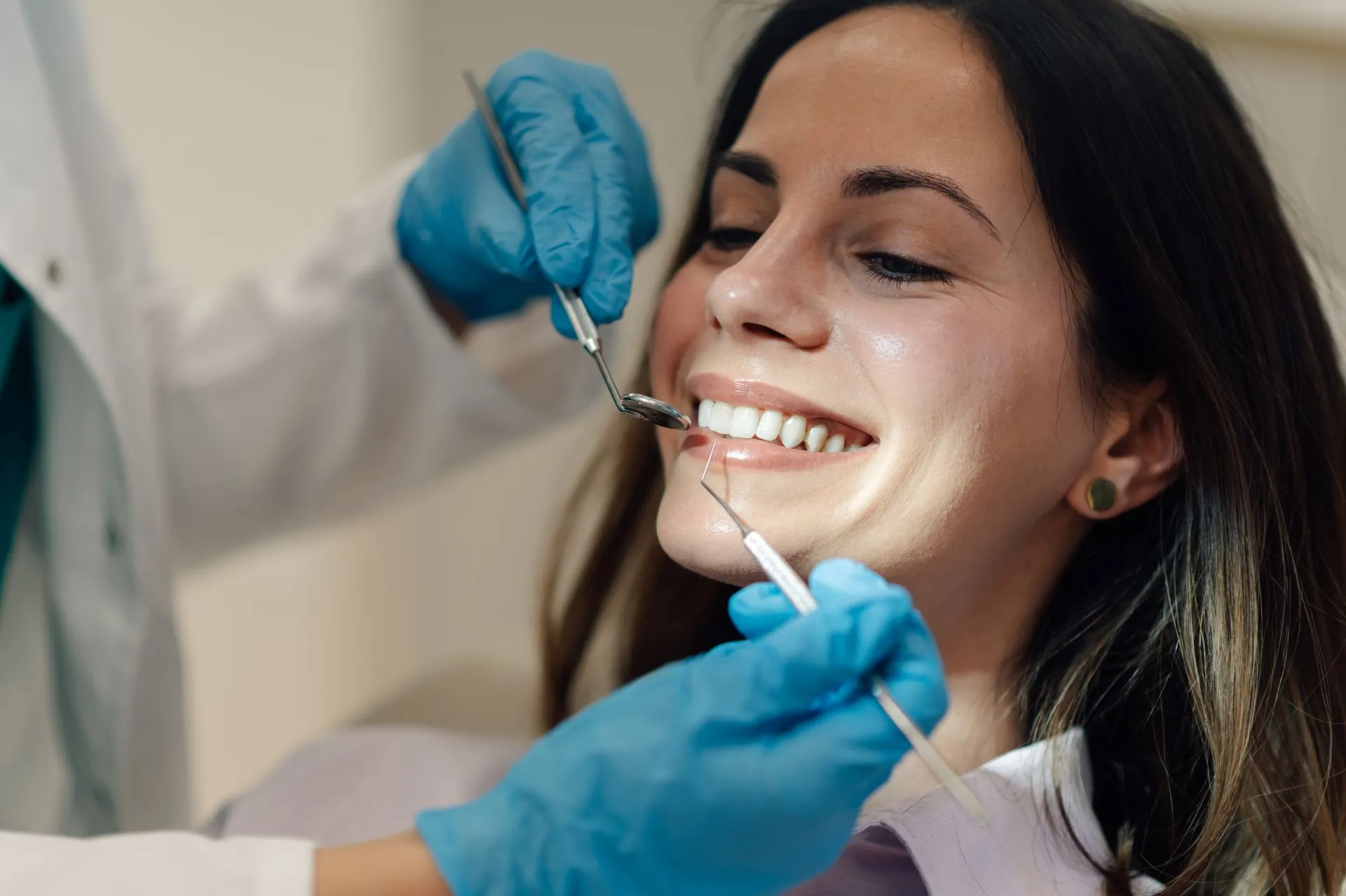
Dental Implants
Bone Grafting
Bone Grafting Explained
Bone grafting is a procedure that rebuilds or strengthens the jawbone so it can support dental implants, hold teeth in place, or maintain facial structure. When a tooth is lost or removed, the bone that once supported it begins to shrink, and over time this loss can make implant placement difficult and change the shape of the face. Bone grafting restores this lost volume. At Nova Dental Care of Chantilly, we use bone grafting in several situations: to preserve a socket immediately after an extraction, to build up a ridge that has already shrunk, or to add support in preparation for an implant. The graft material, which may come from your own body, a donor source, or a synthetic substitute, acts as a scaffold that your body gradually replaces with its own new bone. The procedure is common, predictable, and an important foundation for long-term restorative success. Depending on the size and location of the graft, healing takes a few months before the area is ready for the next step. Bone grafting often works hand in hand with procedures like socket preservation, ridge augmentation, and sinus lifts to ensure there is enough healthy bone to anchor implants securely.
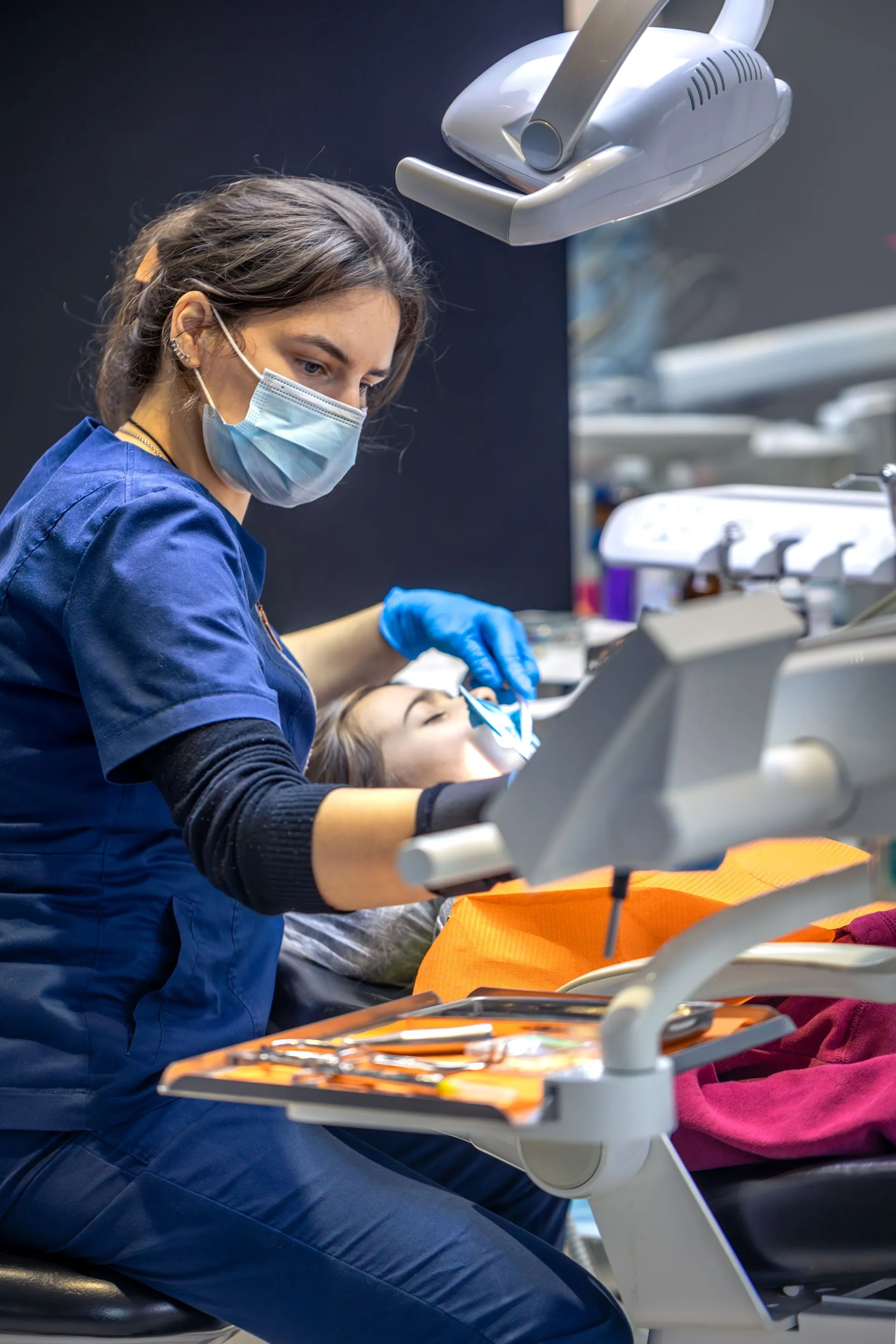
Bone Grafting Approach
At Nova Dental Care of Chantilly, we view bone grafting as setting the stage for a strong, lasting result rather than a procedure on its own. We use detailed imaging to evaluate exactly how much bone is present and where it is needed, so the graft is precisely planned. We choose the graft approach and material best suited to your situation and explain why. Our goal is always to give your future implant or restoration the healthiest possible foundation while keeping the procedure as comfortable and straightforward as possible.

Four simple steps, every time.
From the moment you sit down to the moment you leave, here's what a routine cleaning and exam looks like at our Chantilly office.
Evaluate
We use 3D imaging to measure your existing bone and determine where and how much grafting is needed to support your treatment goals.
Graft
The chosen graft material is placed into the area that needs rebuilding, often at the same time as an extraction or in a separate planned visit.
Heal
Over several months your body integrates the graft and forms new, living bone, creating a solid foundation in the treated area.
Restore
Once the new bone has matured, the area is ready for implant placement or the next stage of your restorative plan.
Bone Grafting FAQs
Dental bone grafting is a procedure that adds or rebuilds bone in the jaw where it has been lost or is insufficient. The graft acts as a scaffold that your body replaces with new bone over time. It is most often done to create enough healthy bone to support dental implants or to preserve bone after a tooth is removed.
You may need a bone graft if your jawbone has shrunk after losing a tooth, if you want a dental implant but lack adequate bone to support it, or to preserve a socket right after an extraction. Bone naturally deteriorates when a tooth is missing, so grafting restores the volume needed for stable, long-lasting results.
Graft material can come from your own body, from a screened and processed human or animal donor source, or from a synthetic substitute. All sources are safe and biocompatible, and each works as a framework your body uses to grow new bone. We will discuss which option is best for your situation and answer any questions you have.
The procedure is performed with local anesthesia, and sedation is available, so you should not feel pain during treatment. Afterward, most patients experience mild soreness and some swelling for a few days, which is well managed with over-the-counter or prescribed medication. Discomfort is usually less than patients anticipate.
Initial healing of the gum tissue takes a couple of weeks, but the graft needs several months, typically three to six, to fully integrate and form mature bone strong enough to support an implant. Healing time varies based on the size and location of the graft and your individual healing response. We monitor progress along the way.
The cost depends on the size of the graft and the material used. A simple socket preservation graft is relatively modest, while larger ridge augmentation or sinus procedures cost more. Bone grafting is often part of a larger implant treatment plan, and we provide a clear estimate in advance. Some insurance plans contribute toward grafting when medically necessary.
Socket preservation is a type of bone graft placed immediately after a tooth is extracted to fill the empty socket and prevent the bone from collapsing as it heals. This keeps the ridge intact and makes future implant placement easier and more predictable. It is a simple addition to an extraction that can save more involved grafting later.
Ridge augmentation rebuilds the height or width of the jawbone ridge after it has already shrunk from tooth loss. It restores the natural contour of the jaw and creates enough bone to support implants or improve the fit of other restorations. It is often used when teeth have been missing for a long time.
True rejection is very rare because graft materials are processed to be biocompatible and are not living tissue that the immune system attacks. In uncommon cases a graft may not integrate as expected, often related to infection or healing factors, and can be redone. We take care to plan and place grafts to maximize success and monitor healing closely.