
Prosthodontics (Dentures)
Dentures
Dentures Explained
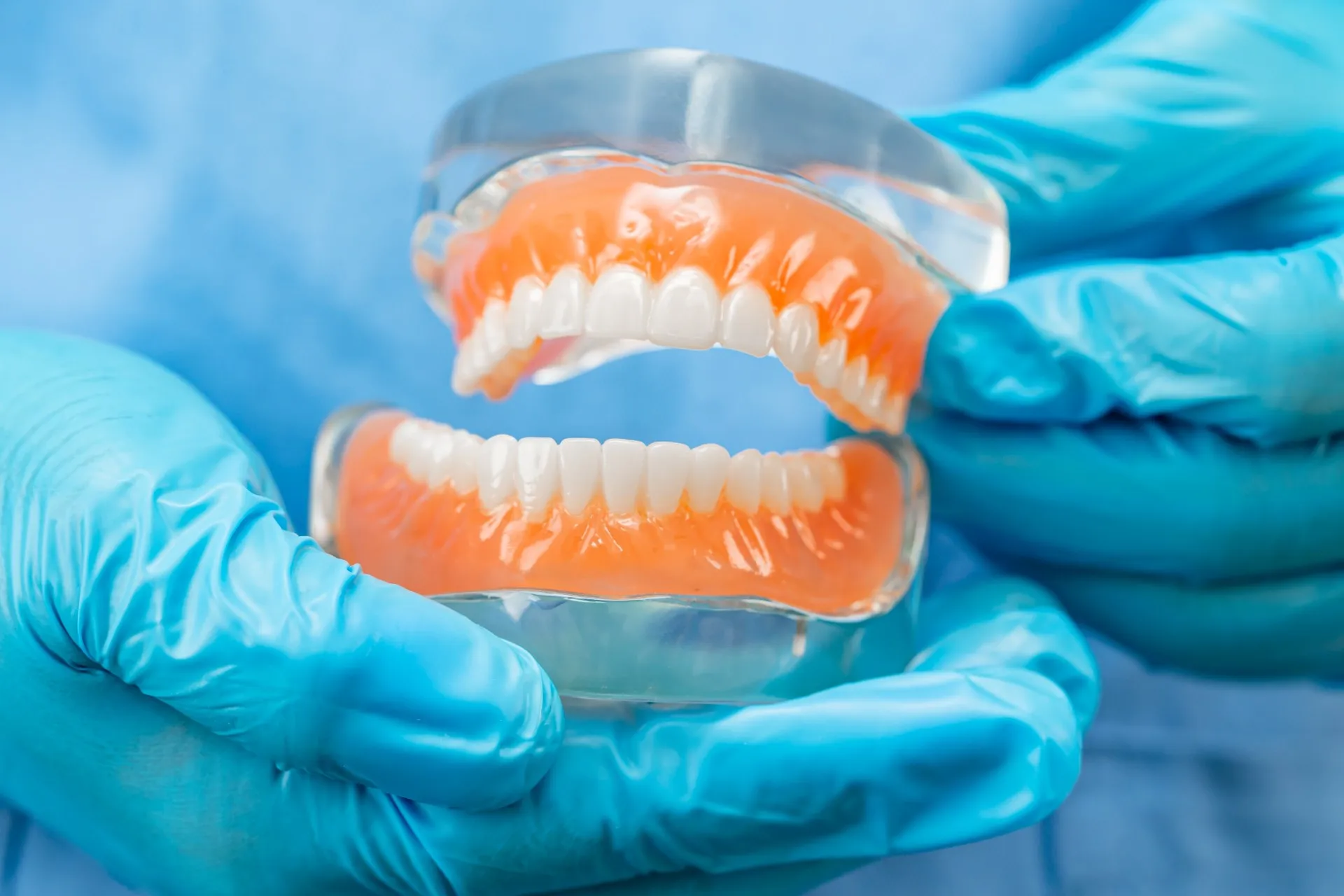
Dentures are removable prosthetic devices designed to replace missing teeth and restore the ability to eat, speak, and smile with confidence. At Nova Dental Care of Chantilly, we offer several types of dentures customized to fit comfortably and look natural. Whether you need to replace a few missing teeth or all of them, modern denture options are far more comfortable, secure, and natural-looking than dentures of the past.
Full dentures replace all of the teeth in either the upper, lower, or both arches. They rest on the gums and are held in place by suction (in the upper arch) and the muscles of the cheeks and tongue (in the lower arch). Partial dentures replace several missing teeth while preserving the remaining natural ones, attaching to the natural teeth with metal or tooth-colored clasps. Implant-supported dentures are a more advanced option that anchor to dental implants placed in the jawbone, providing dramatically improved stability, comfort, and chewing ability compared to traditional dentures.
Getting dentures typically takes several appointments over a few weeks. The process includes initial impressions, bite registration, a try-in appointment to verify fit and appearance, and final placement. Most patients need a brief adjustment period of a few weeks as their mouth adapts to the new dentures, including learning to eat and speak with them. Modern dentures are designed for improved comfort and stability, but proper fit, care, and follow-up adjustments are essential for long-term success.
Dentures Approach
Losing teeth is a major life event, and getting comfortable, confident dentures requires more than just impressions and lab work. At Nova Dental Care of Chantilly, we take time to understand your goals, discuss the trade-offs between traditional and implant-supported dentures, and design a treatment plan that fits your needs and budget.
We focus on natural-looking dentures that complement your face shape, skin tone, and personality. Modern materials let us create dentures that look strikingly real, with natural variation in tooth shape and color. We also place strong emphasis on the follow-up phase. Adjustments during the first few weeks are normal, and we work with you until the fit is comfortable and the dentures function properly. For patients interested, we discuss implant-supported options, which dramatically improve stability and quality of life for denture wearers.
Four simple steps, every time.
From the moment you sit down to the moment you leave, here's what a routine cleaning and exam looks like at our Chantilly office.
Evaluate
We assess remaining teeth (if any), gum health, jawbone, and bite to determine the best denture option for your needs.
Design
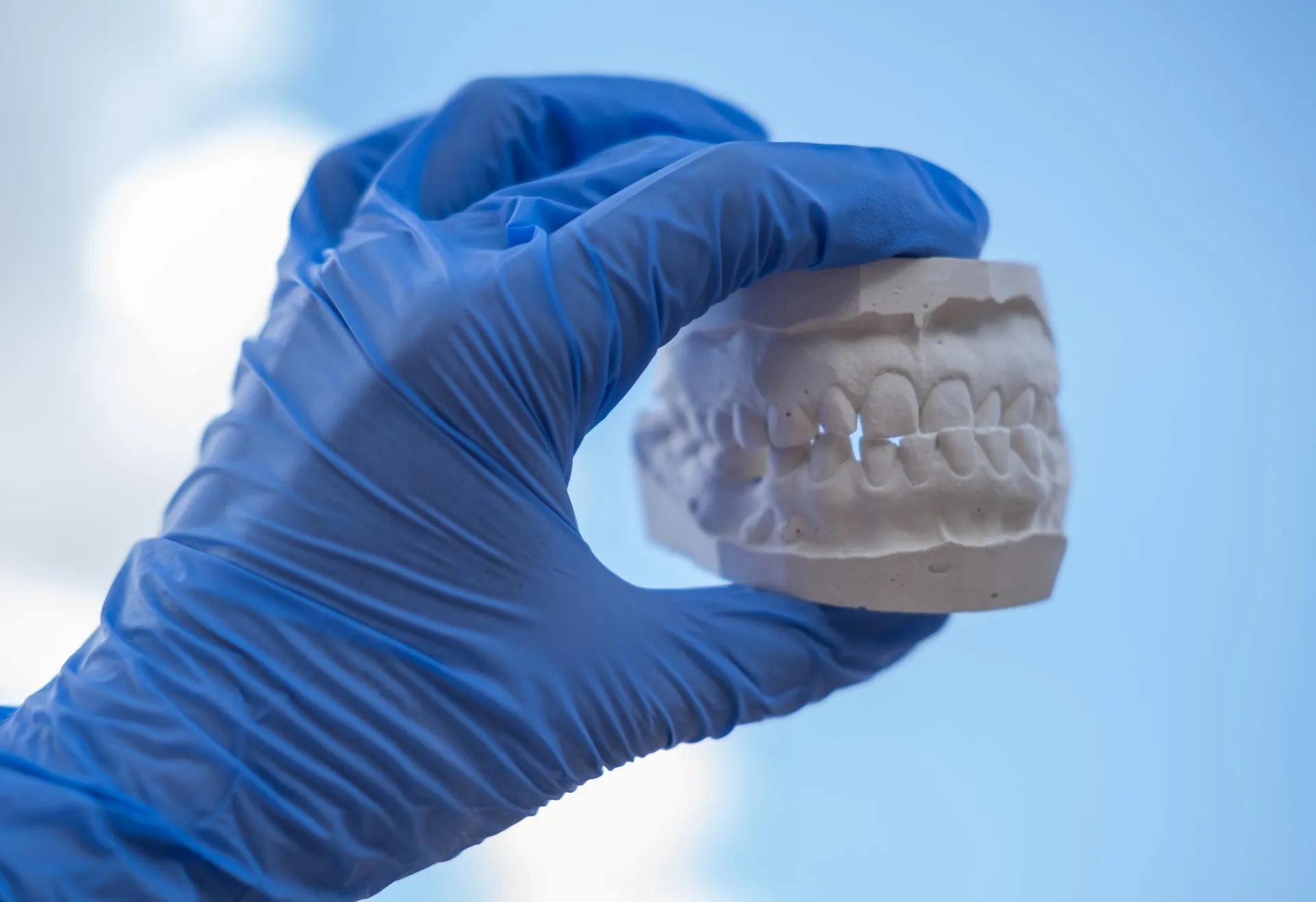
Impressions and measurements are taken to create custom dentures matched to your facial features and personal preferences.
Fit
The dentures are placed and adjusted at multiple appointments to ensure proper fit, comfort, and function.
Adapt
Follow-up visits during the first few weeks help fine-tune the fit and address any sore spots or adjustments.
Dentures FAQs
Most patients adjust to new dentures within a few weeks, though some take 1 to 3 months to feel completely comfortable. Initial challenges include learning to eat (start with soft foods and gradually progress), speaking clearly (practice reading aloud), and managing increased saliva. Sore spots are normal during the first few weeks and we adjust the dentures as needed.
Traditional dentures typically cost $1,000 to $3,500 per arch (upper or lower), with premium dentures costing $4,000 or more. Implant-supported dentures range from $5,000 to $30,000 or more depending on the number of implants and design. Most insurance plans cover a portion of denture costs, and financing options are available.
Modern dentures are designed for improved comfort compared to dentures of the past, but they are foreign objects in the mouth and require an adjustment period. Properly fitted dentures should feel secure and not cause significant pain. Sore spots during the first few weeks are normal and resolved with adjustments. Persistent discomfort usually indicates a need for adjustment or relining.
Dentures typically last 5 to 10 years before they need replacement or significant relining. The fit changes over time as the underlying gums and jawbone change shape, particularly in the years immediately following tooth loss. Annual checkups help us monitor fit and recommend adjustments, relining, or replacement as needed.
Eating with dentures takes practice, but most patients return to a fairly normal diet over time. Start with soft foods cut into small pieces, chew slowly using both sides of your mouth simultaneously, and gradually introduce harder foods. Some foods, like very sticky or hard items, may always be challenging. Implant-supported dentures dramatically improve chewing ability.
Remove and rinse dentures after eating, brush them daily with a soft denture brush and non-abrasive denture cleanser (not regular toothpaste), and soak them in denture solution or water overnight. Never use hot water, which can warp the dentures. Brushing your gums, tongue, and palate daily with a soft toothbrush also keeps your mouth healthy.
Well-designed dentures restore your natural appearance and often improve it by replacing missing teeth and providing facial support. Without proper denture support, the cheeks and lips can sink in, creating an aged appearance. We work with you to choose tooth shape, color, and arrangement that complements your face and looks natural. Most patients feel they look better with their new dentures.
Implant-supported dentures attach to dental implants surgically placed in the jawbone, providing dramatically improved stability and chewing ability compared to traditional dentures. They can be removable (snapping onto implants) or fixed (permanently attached). Most patients with implant-supported dentures report significantly higher quality of life. They cost more than traditional dentures but offer major functional benefits.
Yes, dentures should be removed at night to give your gums and jawbone a rest. Sleeping with dentures in continuously can lead to gum irritation, bone loss, and increased risk of fungal infections. Soaking dentures in water or denture solution overnight keeps them clean and helps maintain their shape.