Sleep Dentistry
Sleep Apnea
Sleep Apnea Explained
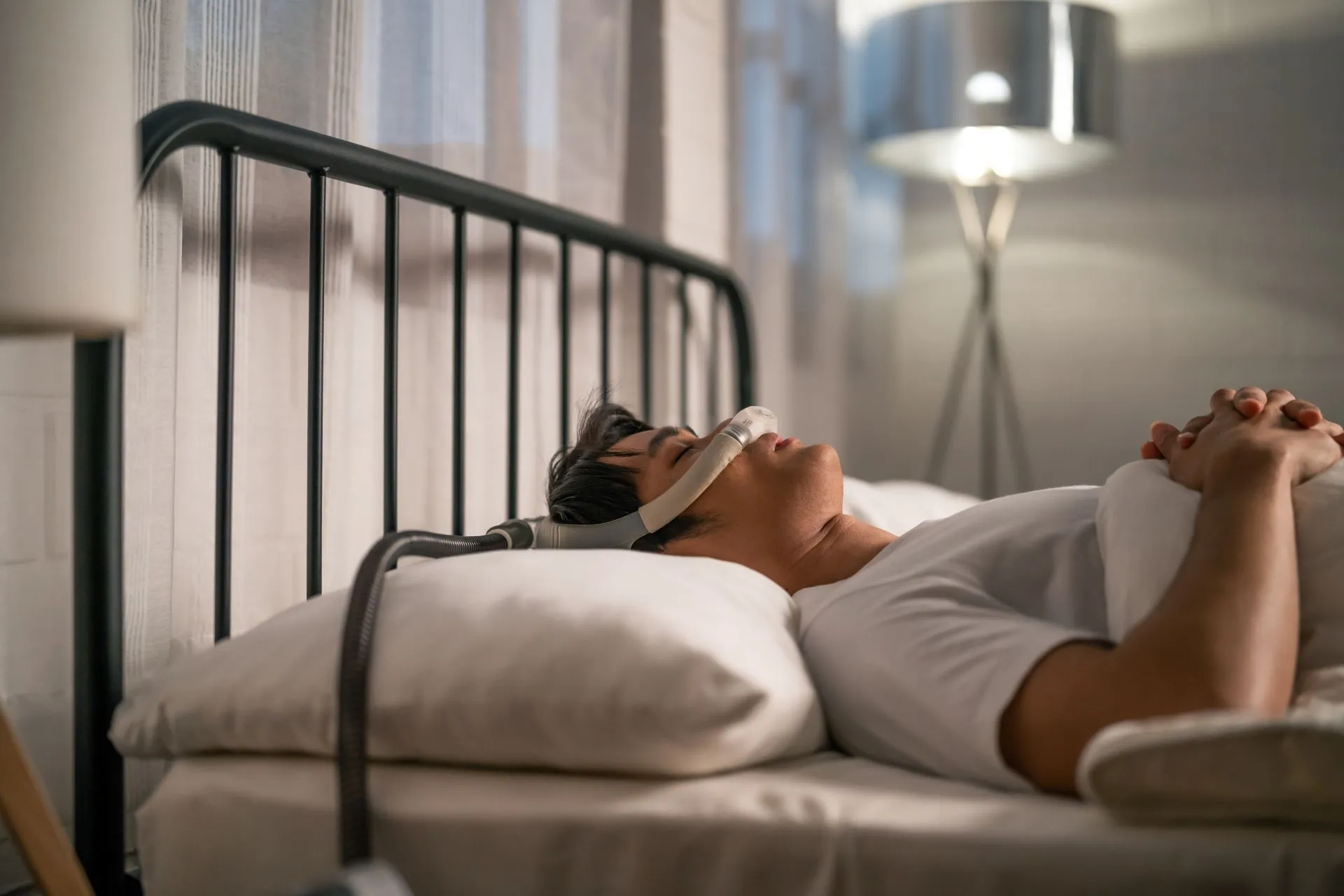
Sleep apnea is a serious sleep disorder where breathing repeatedly stops and starts during sleep, often hundreds of times per night. At Nova Dental Care of Chantilly, we offer dental treatment options for obstructive sleep apnea (OSA), the most common form. Untreated sleep apnea is linked to serious health consequences including high blood pressure, heart disease, stroke, type 2 diabetes, and motor vehicle accidents from daytime drowsiness. Effective treatment improves sleep quality, energy, mood, and long-term health.
Sleep apnea occurs when the airway becomes blocked during sleep, typically because the soft tissues at the back of the throat collapse and obstruct breathing. Common symptoms include loud snoring, witnessed pauses in breathing during sleep, gasping or choking sounds, morning headaches, daytime fatigue, difficulty concentrating, mood changes, and frequent nighttime urination. Diagnosis requires a sleep study, which can typically be done at home using portable equipment.
Dental treatment for sleep apnea typically involves a custom oral appliance that positions the lower jaw slightly forward during sleep, keeping the airway open. Oral appliances are an excellent option for patients with mild to moderate sleep apnea or those who cannot tolerate CPAP therapy. They are comfortable, portable, easy to clean, and don't require electricity, making them practical for travel. We work closely with your physician or sleep specialist to determine if oral appliance therapy is right for you and to monitor effectiveness with follow-up sleep studies.
Sleep Apnea Approach
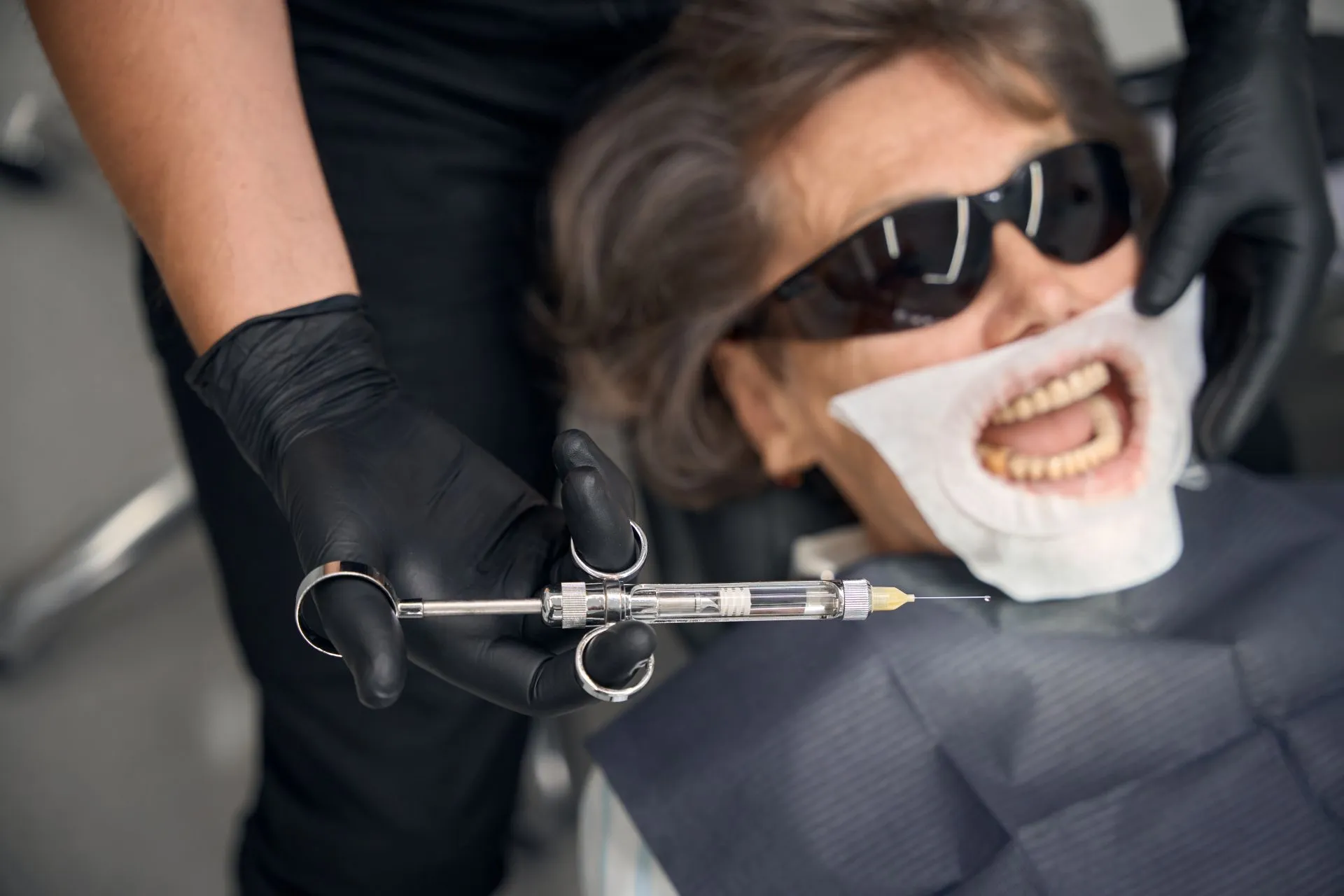
Sleep apnea is a medical condition with serious consequences, and we approach treatment with that seriousness. At Nova Dental Care of Chantilly, we work in collaboration with sleep physicians to ensure proper diagnosis, appropriate treatment selection, and ongoing monitoring of treatment effectiveness.
We use custom-fitted oral appliances designed specifically for each patient's mouth and anatomy. Off-the-shelf devices from drugstores typically don't work well and can cause jaw problems. Our oral appliances are made from impressions or digital scans and adjusted carefully for both comfort and effectiveness. We monitor for side effects, make adjustments as needed, and coordinate with your sleep physician to verify the treatment is working through follow-up sleep studies.
Four simple steps, every time.
From the moment you sit down to the moment you leave, here's what a routine cleaning and exam looks like at our Chantilly office.
Diagnose
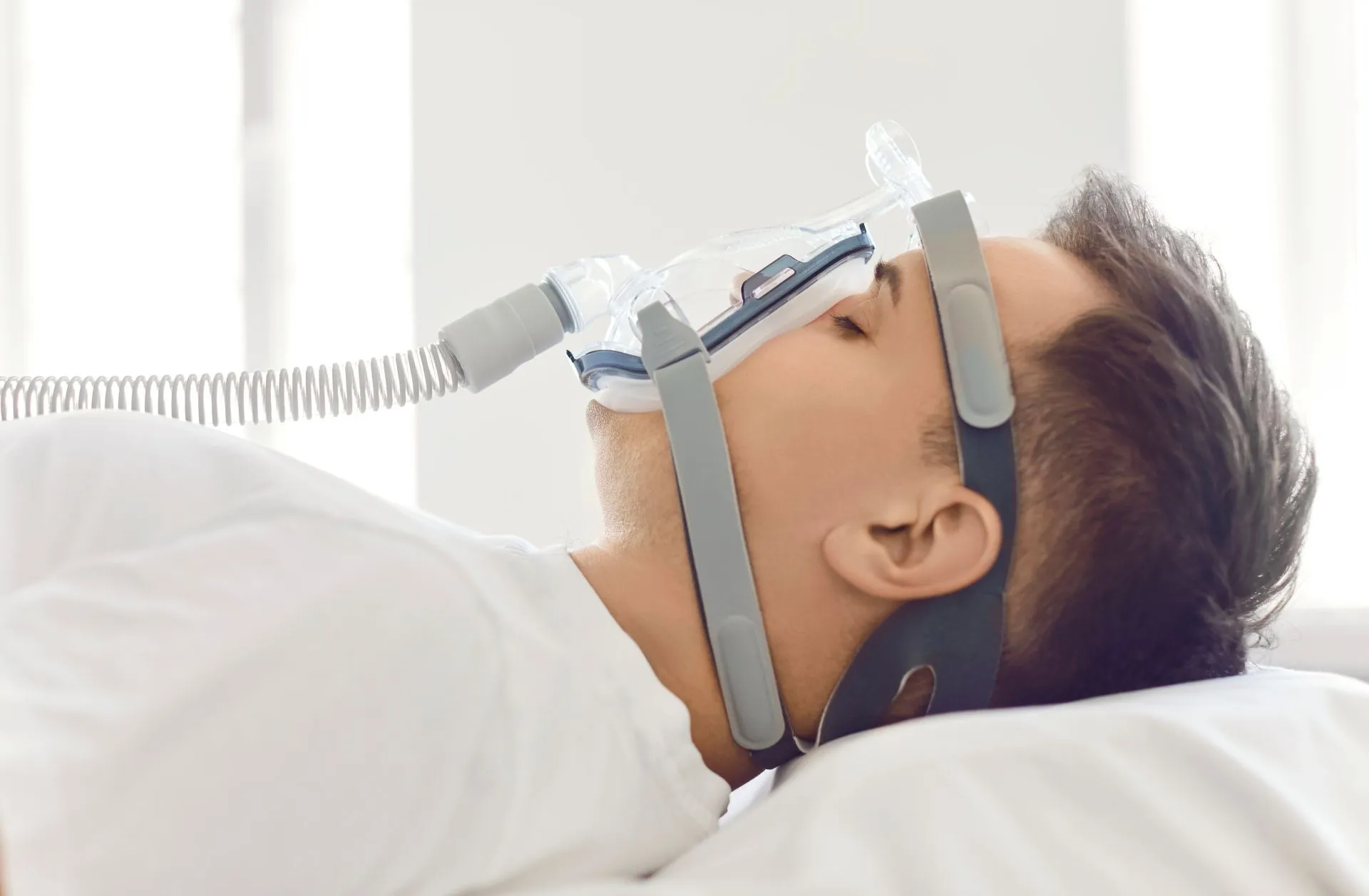
A sleep study (often done at home) confirms sleep apnea and its severity. We coordinate with your physician for proper diagnosis.
Evaluate
We assess your jaw, bite, teeth, and airway to determine if oral appliance therapy is appropriate for your case.
Customize
A custom oral appliance is fabricated from precise impressions or digital scans of your mouth.
Monitor
We adjust the appliance for optimal effectiveness and comfort, and follow up with you and your sleep physician to verify treatment success.
Sleep Apnea FAQs
Sleep apnea is a sleep disorder where breathing repeatedly stops and starts during sleep. Common signs include loud snoring, witnessed pauses in breathing, gasping or choking during sleep, morning headaches, persistent daytime fatigue despite adequate sleep time, and difficulty concentrating. Diagnosis requires a sleep study. If you suspect sleep apnea, talk to your physician or dentist for evaluation.
Sleep apnea is diagnosed through a sleep study (polysomnography) that measures breathing, oxygen levels, brain activity, and other factors during sleep. Studies can be done at home using portable equipment for most patients, though some cases require an in-lab study at a sleep center. Your physician orders the study based on symptoms and risk factors.
Dentists can provide oral appliance therapy for sleep apnea, but they don't diagnose the condition. Diagnosis requires a sleep study and physician evaluation. Once diagnosed, dentists trained in sleep medicine can fabricate and adjust custom oral appliances for patients with mild to moderate sleep apnea or those who cannot tolerate CPAP therapy.
An oral appliance is a custom-made device worn in the mouth during sleep that positions the lower jaw slightly forward to keep the airway open. They look similar to mouthguards or orthodontic retainers. Custom appliances from a dentist are far more effective and comfortable than over-the-counter options. They're an excellent alternative for patients with mild to moderate sleep apnea or those who can't tolerate CPAP.
Custom oral appliances for sleep apnea typically cost $1,500 to $3,500. Most medical insurance plans cover oral appliances when sleep apnea is properly diagnosed and CPAP intolerance is documented. Medicare and many private insurers cover oral appliance therapy. We verify benefits before treatment so you know your specific coverage.
For mild to moderate sleep apnea, oral appliances can be very effective and many patients prefer them due to comfort and convenience. For severe sleep apnea, CPAP is generally more effective. The best treatment depends on the severity of the apnea, individual anatomy, and patient preference. Many patients who couldn't tolerate CPAP find success with oral appliance therapy.
Most patients adapt to oral appliances within 1 to 2 weeks. Initial adjustment may include increased saliva, mild jaw soreness, or the sensation of having something in your mouth. These effects typically resolve as you adjust. Side effects are usually mild compared to the major health risks of untreated sleep apnea.
Many patients notice improved sleep quality within the first few nights. Achieving optimal effectiveness typically takes 4 to 8 weeks of adjustment. We follow up with you to fine-tune the appliance and may recommend a follow-up sleep study to verify effectiveness. Long-term success requires consistent nightly use.
Untreated sleep apnea increases risk of high blood pressure, heart disease, heart attack, stroke, type 2 diabetes, depression, and motor vehicle accidents from daytime drowsiness. Treatment significantly reduces these risks and improves quality of life. The combination of poor sleep and the body's response to repeated breathing interruptions has serious cumulative health effects.