
TMJ & Facial Pain Therapy
TMJ
TMJ Explained
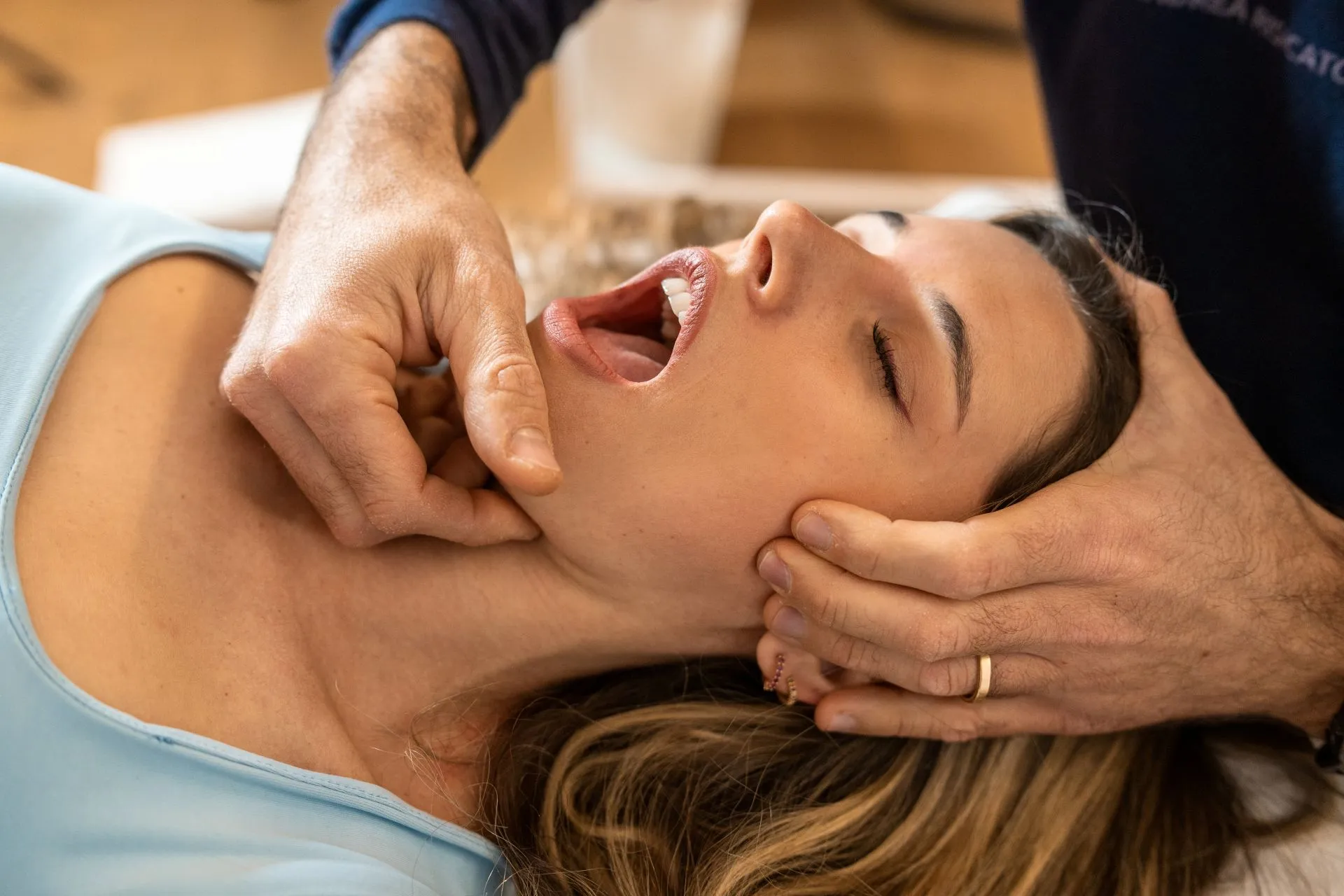
The temporomandibular joints (TMJ) are the hinges that connect your lower jaw to your skull, located just in front of each ear. TMJ disorders, sometimes called TMD, are a group of conditions that cause pain and dysfunction in these joints and the surrounding muscles. At Nova Dental Care of Chantilly, we offer evaluation and treatment for TMJ disorders, which can range from mild discomfort to debilitating pain affecting daily life.
Common TMJ symptoms include jaw pain or tenderness, pain near the ear, clicking or popping sounds when opening the mouth, difficulty chewing or pain while chewing, frequent headaches (especially morning headaches), neck and shoulder pain, and limited ability to open the mouth wide. Causes vary and often involve multiple factors, including jaw injury, arthritis in the joint, teeth grinding (bruxism), bite misalignment, stress and clenching, and connective tissue diseases.
TMJ treatment typically starts with conservative, non-invasive approaches. These include custom-fitted oral appliances (often called nightguards or splints) that prevent grinding and reposition the jaw, physical therapy and jaw exercises, stress management techniques, lifestyle modifications, and short-term use of pain relievers or muscle relaxants. For most patients, these conservative treatments provide significant relief. More advanced treatments including injections and surgery are reserved for severe cases that don't respond to conservative care.
TMJ Approach
TMJ disorders are often complex, involving multiple causes and overlapping symptoms. At Nova Dental Care of Chantilly, we take time to evaluate your symptoms, examine your jaw and bite, and discuss your medical history and lifestyle to identify likely contributing factors. We then develop a personalized treatment plan that addresses the root causes, not just the symptoms.
Most TMJ patients benefit from conservative treatment, particularly custom oral appliances that prevent grinding and reposition the jaw during sleep. We focus on education and self-care techniques you can use at home, because lifestyle changes are often as important as the dental treatment itself. For complex cases, we coordinate with specialists including physical therapists, oral surgeons, or pain management physicians as needed.
Four simple steps, every time.
From the moment you sit down to the moment you leave, here's what a routine cleaning and exam looks like at our Chantilly office.
Evaluate
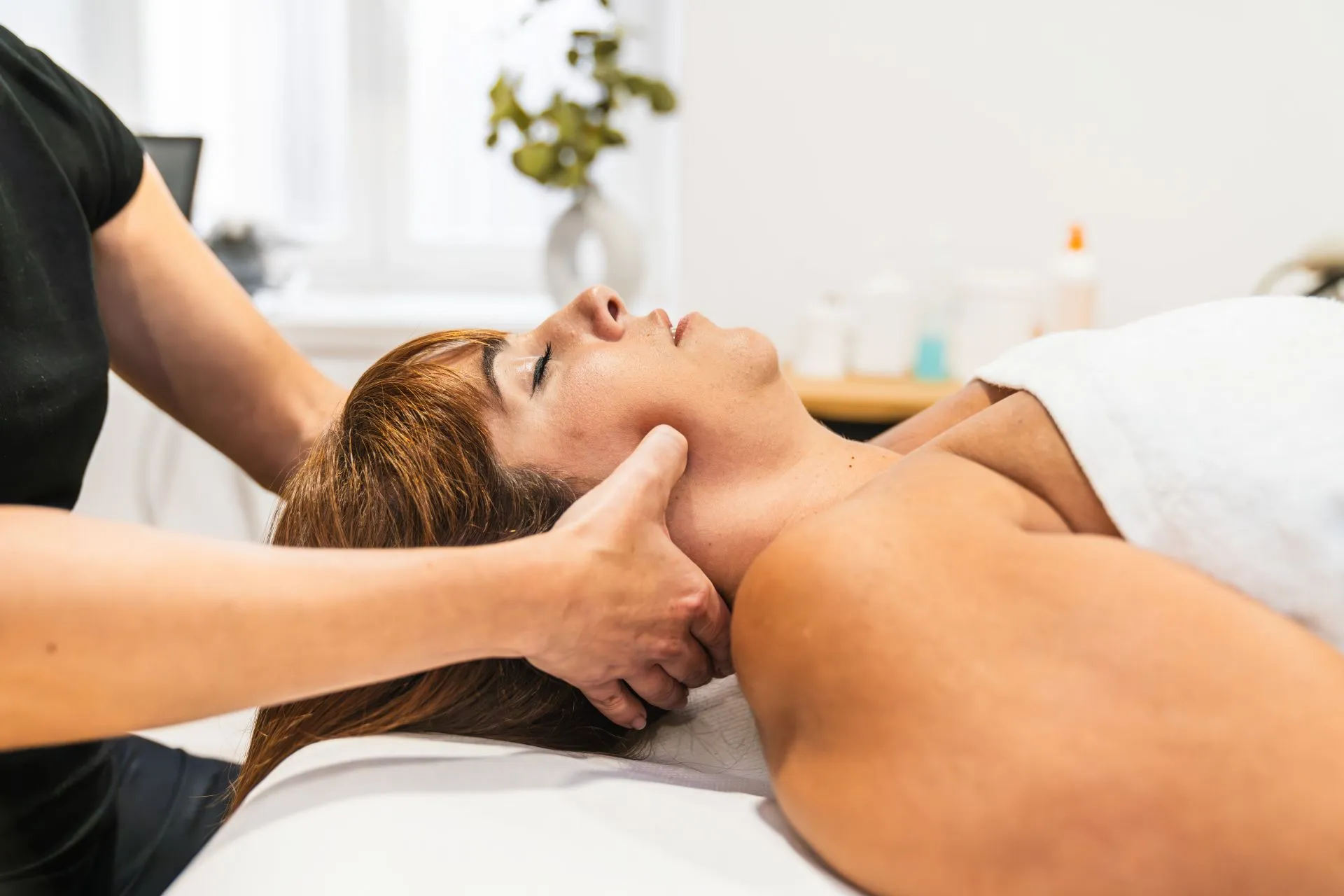
We assess your symptoms, examine the jaw and bite, take any needed imaging, and identify likely causes of your TMJ symptoms.
Plan
A personalized treatment plan addresses the root causes through a combination of appliance therapy, lifestyle modifications, and self-care.
Treat
Most patients receive a custom oral appliance and guidance on jaw exercises, stress management, and habits that contribute to symptoms.
Monitor
Follow-up visits track your progress, adjust treatment as needed, and refer to specialists if symptoms don't improve with conservative care.